

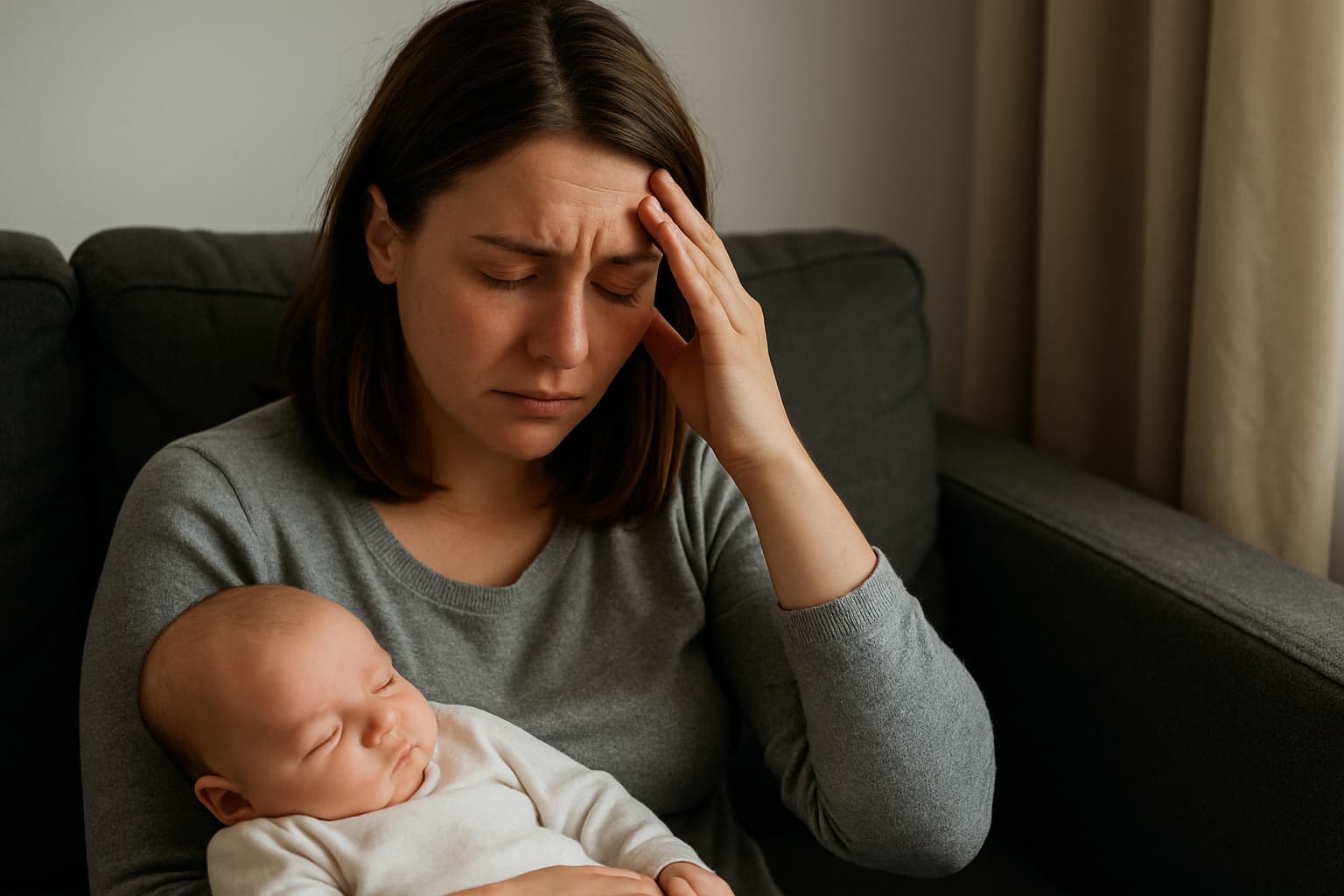
Postnatal depression (PND) is a mood disorder that affects many women after childbirth — far more common than many realise. Around 1 in 7 Australian women experience postnatal depression in the year after giving birth (Austin et al., 2010). Unlike the brief “baby blues,” which tend to resolve within days, PND involves persistent feelings of sadness, exhaustion, and disconnection that interfere with daily life and mother-infant bonding.
What does it feel like?
Women with postnatal depression often describe an overwhelming sense of hopelessness, guilt, and isolation:
“I expected to feel joy when my baby arrived, but instead I felt numb. I couldn’t stop crying and thought I was failing as a mum.” — Anna, mother of a 4-month-old.
“I loved my baby, but I felt like I couldn’t cope. Every little task felt impossible — even getting out of bed some mornings.” — Rebecca, first-time mother.
“I felt so alone. Everyone around me was saying how happy I must be, but inside, I was struggling just to keep going.” — Jess, mother of two.
Symptoms of Postnatal Depression can include:
- Persistent low mood or tearfulness
- Loss of interest or pleasure in activities
- Difficulty bonding with the baby
- Fatigue or insomnia
- Feelings of worthlessness or guilt
- Anxiety and irritability
- Changes in appetite
- Thoughts of self-harm or hopelessness
Reaching out for help
The good news is that postnatal depression is treatable. The earlier it is identified; the sooner support can begin. Effective interventions may include:
- Speaking to a GP, Mental Health Social Worker or Psychologist
- Counselling or psychotherapy (such as CBT)
- Peer support groups
- In some cases, medication may also be considered
Recognising the signs and reducing stigma can encourage more mothers to seek help and feel less alone. As Jess reflected:
“Talking to a therapist helped me realise I wasn’t the only one going through this — and that recovery is possible.”
If you or someone you know may be experiencing postnatal depression, reaching out for professional support is a courageous and important first step.
References
Austin, M.-P., Hadzi-Pavlovic, D., Priest, S. R., Reilly, N., Wilhelm, K., & Saint, K. (2010). Depressive and anxiety disorders in the postpartum period: how prevalent are they and can we improve detection? (5), 395–401.
O’Hara, M. W., & McCabe, J. E. (2013). Postpartum depression: Current status and future directions. , 379–407.